Animation Guides3 min read
Planning audio for a whiteboard animation
Music, narration and the pencil sound: what the studio provides, what you record yourself, and how to line the voice up with the drawing.
Parv ShahOct 5, 2026
Guides, creative techniques, and technical insights on drawing animation and short-form video craft.
A hand draws on a white board while the explanation plays. What that looks like in 2026, what it costs, and what a drawing tool can and cannot do.

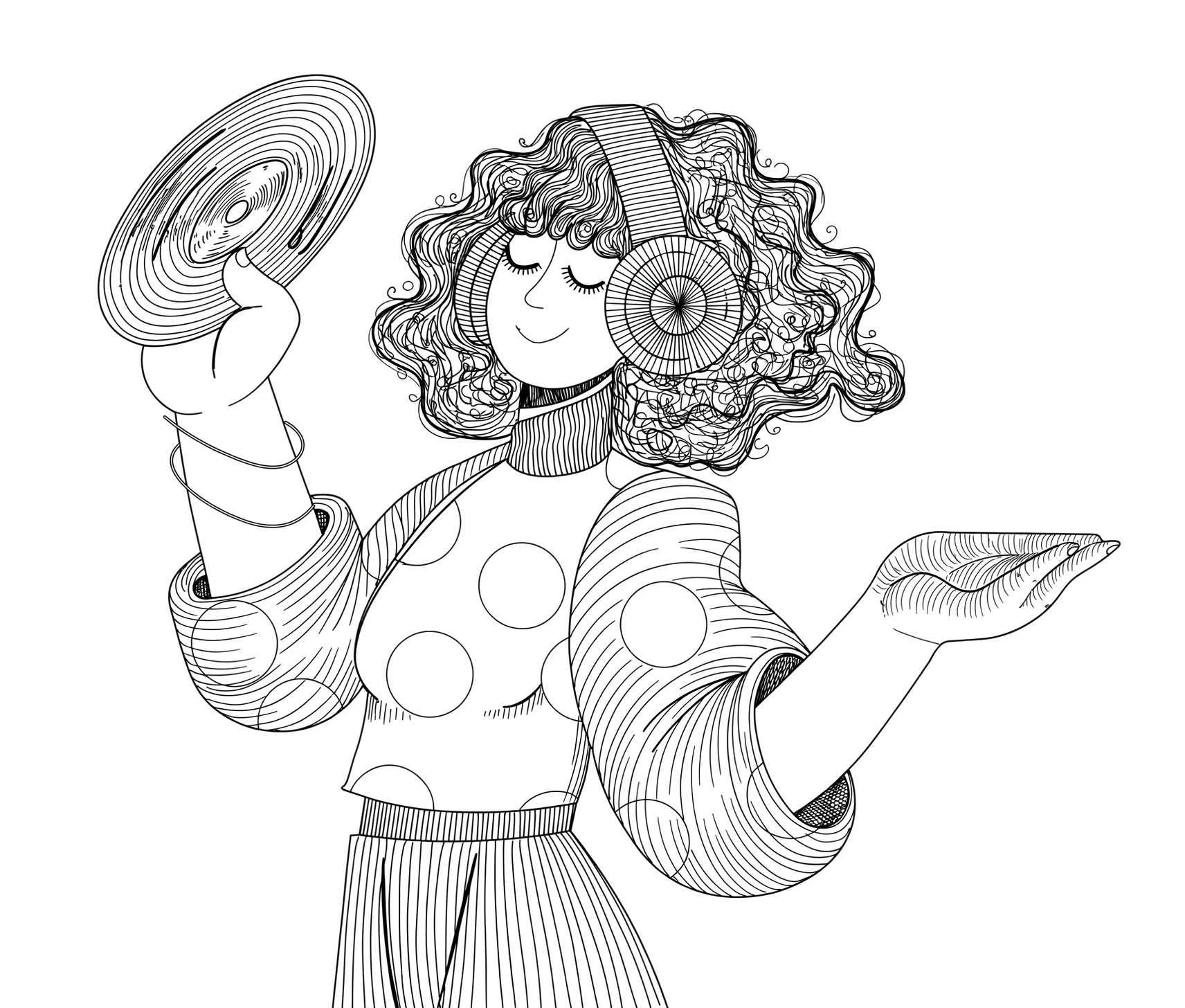
Music, narration and the pencil sound: what the studio provides, what you record yourself, and how to line the voice up with the drawing.
What a whiteboard style clip costs in credits, how many clips a lesson needs, and where a budget actually goes when you plan a series.
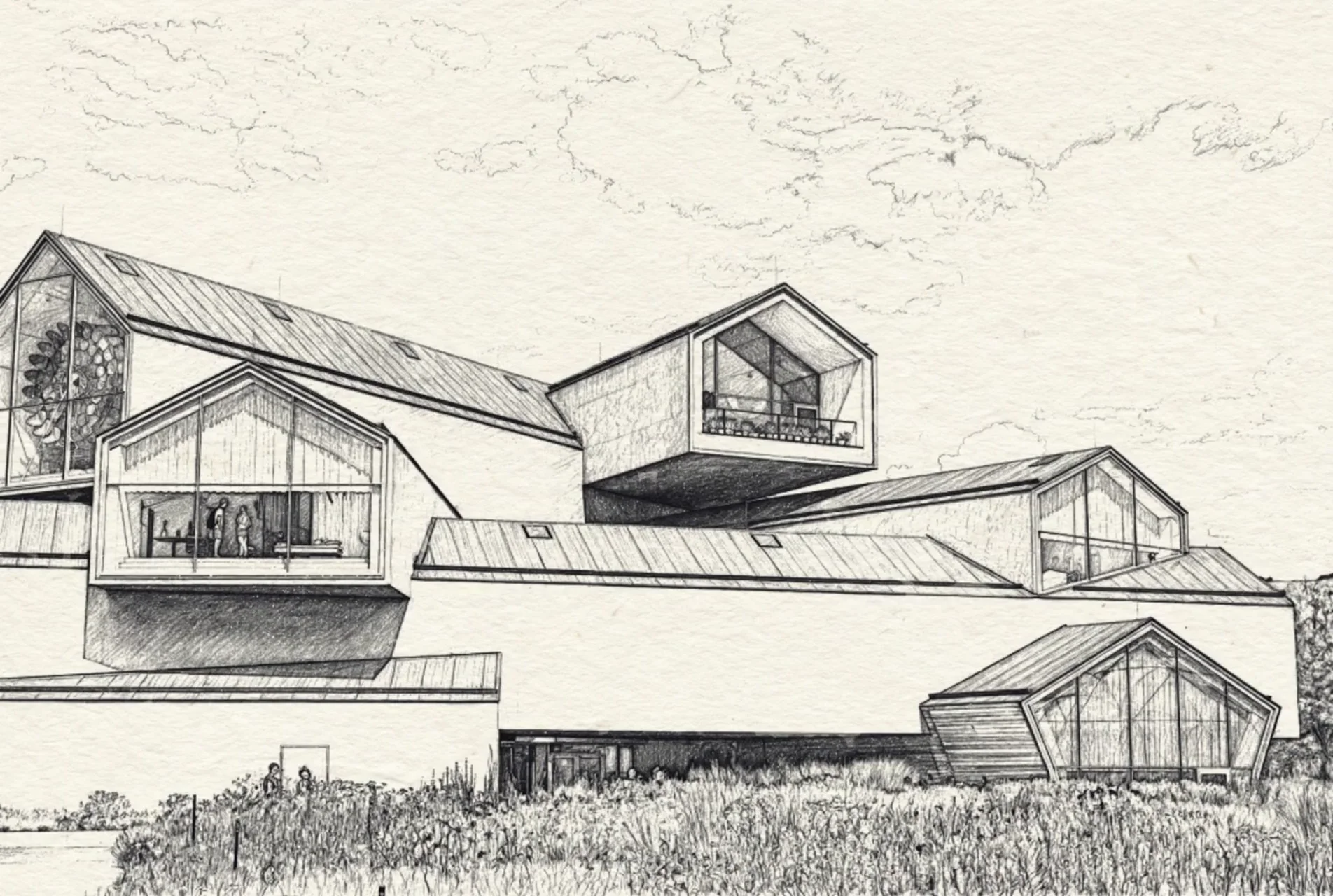
Clips in slides work when they are short, silent and shaped like the projector. What to render, where to place it, and how to keep the room watching.
Write for the drawing, not the other way round: one idea per drawing, narration that fits the picture, and no words the image cannot carry.
A storyboard for a drawing clip is a list of pictures, not shots. Plan one image per beat, count the renders, and avoid paying twice for the same scene.
A video is 40 credits and a still is 5. One shows the drawing appear, the other is a PNG for print. Here is when each one is the right buy.
A right hand, a left hand, or no hand at all. What each option does to the viewer's attention, and when the lines should appear on their own.
How teachers and educators use stroke-by-stroke drawing reveals for lessons: choosing clear source diagrams, pacing explanations, and keeping students focused.
What to upload, what to crop, and what the drawing model will do with a busy background, a small face or a low-resolution photo.
Creations are private by default. What publishing to Explore does, why a sketch cannot be published, and how to remove something again.
What the built-in music does, when to upload your own track, and why the pencil sound is worth leaving on.
The common failures: a rejected upload, a render that will not start, a queue that seems stuck, and a video that comes out wrong. What to check first.
Margins come from one decision: the canvas shape. How to choose Auto, crop to fill, or design for the frame you will post to.
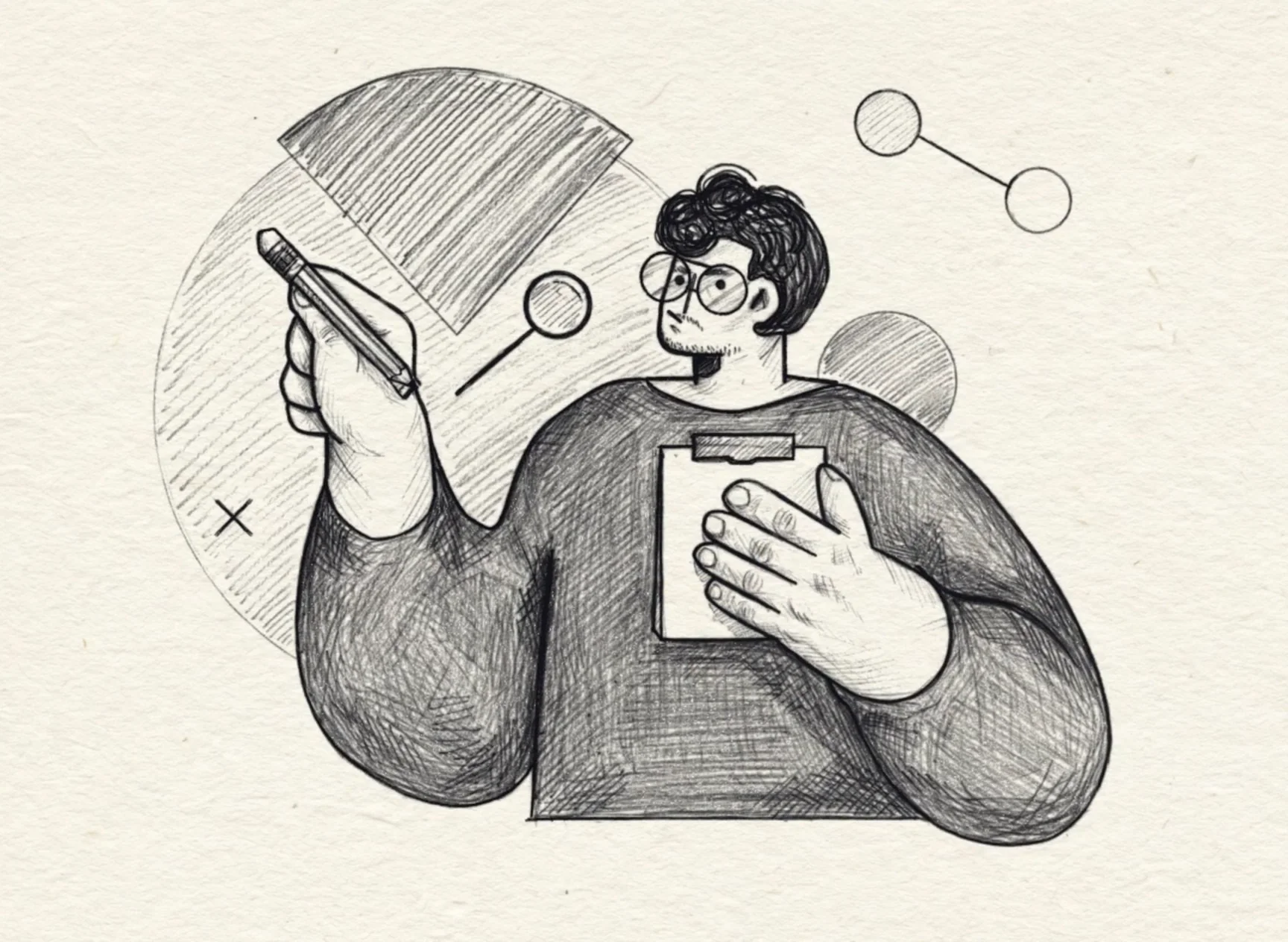
Recording a drawing takes hours and a steady hand. A generated reveal takes a render: what is actually being produced, and where the time goes.
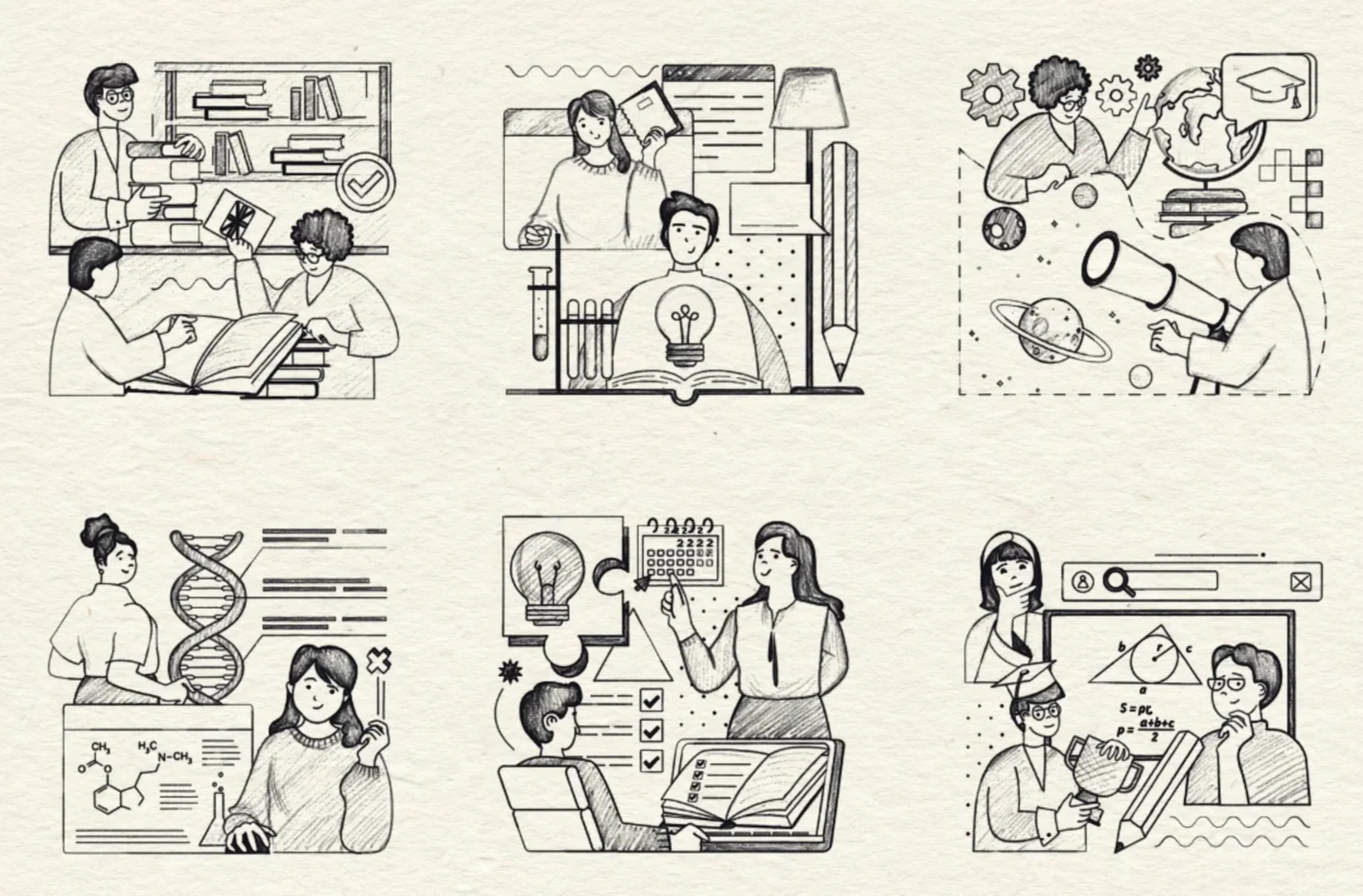
Why a drawing holds a vertical feed, which first three seconds work, and what to measure instead of guessing at retention.
The engineering behind Speedpaint: how source pixels become vector paths, why strokes cluster by object, and how frames render at 60 FPS.
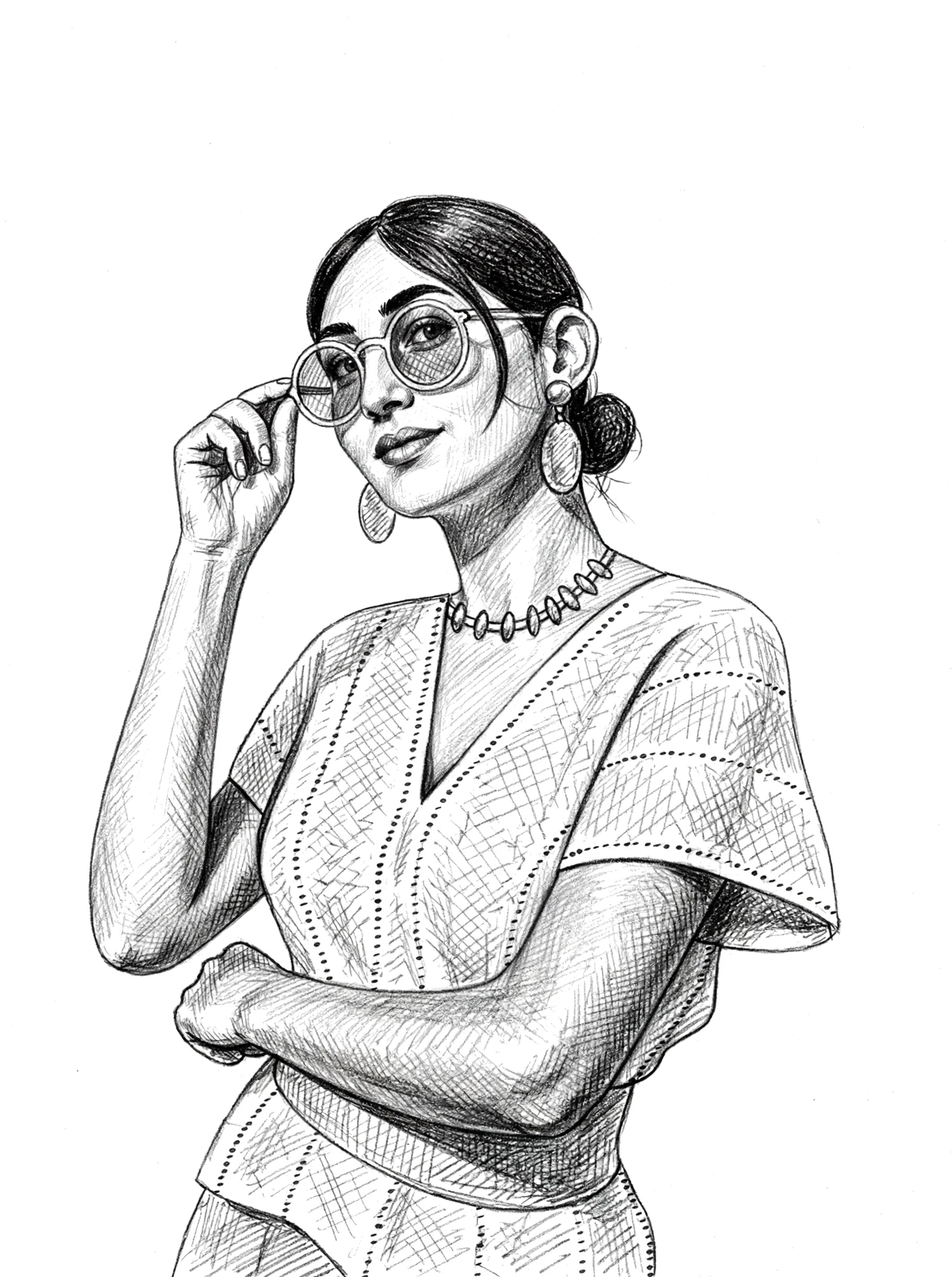
How tangent alignment, non-linear pacing curves, and hand positioning turn static lines into a natural, human-like drawing performance.

One credit is about a cent. A video up to 3 minutes is 40, a still is 5, and 4K adds 10 unless you are on Plus or Pro. Here is the whole rule set.

A teacher’s guide to drawing animations for STEM, diagrams, and formulas: verifying equations, pacing technical reveals, and checking labels.
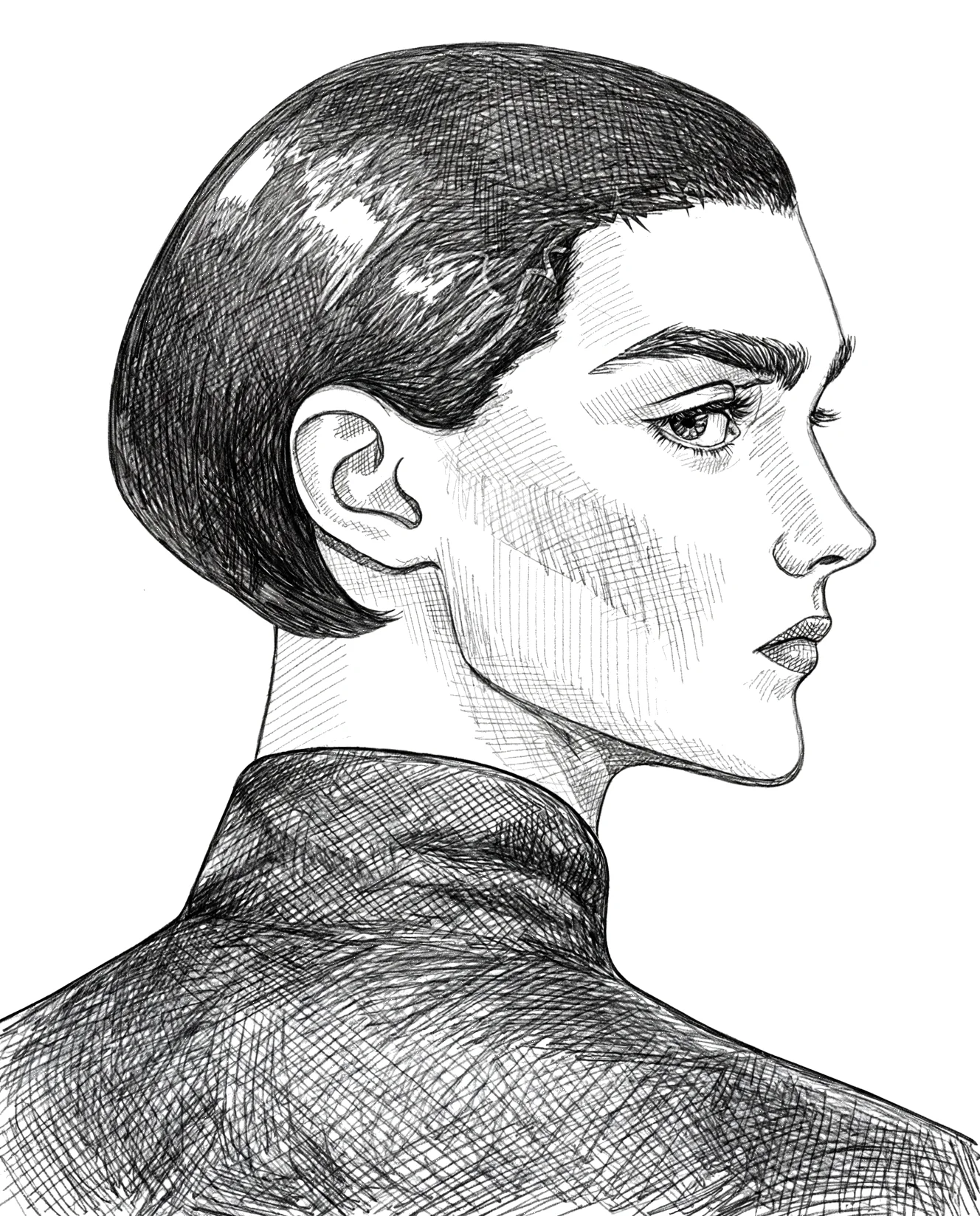
Line art, Shaded sketch, Anime and Charcoal: what each one does to a photo, which suits a portrait or a diagram, and why the old drafting style is gone.

Which aspect ratio to choose for Shorts, a lesson or a square post, why the drawing can leave margins, and how Auto avoids the empty space.